

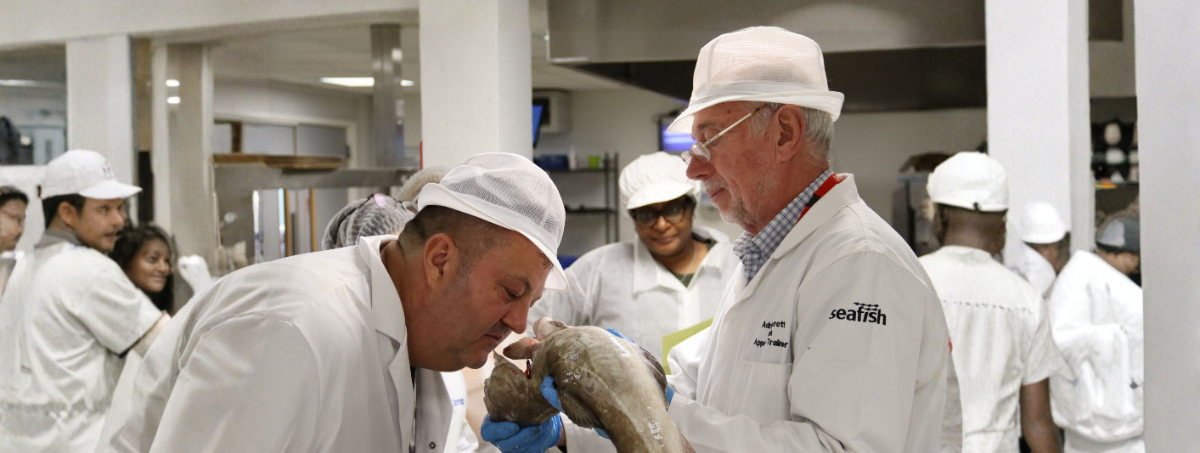
Seafish has secured £1.4 million in public grant funding to expand training across the UK seafood industry, £419,950 from Marine Fund Scotland and £998,858 from the Fisheries and Seafood Scheme for England, covering approximately 6,000 training days annually until March 2027 and March 2028 respectively; this is a public funding award, not a transaction, and no deal consideration arises.
Seafish is a non-departmental public body established under the Fisheries Act 1981. Its annual levy income stands at £7.2 million against a stated operational requirement of £9.1 million, following the UK Government's July 2025 decision not to amend the levy rate from its 1999 level of 0.903p/kg. The £1.4 million training grant supplements that constrained base budget.
The grant covers seagoing safety training including sea survival, firefighting, first aid, engineering and navigation, alongside onshore training for processors, wholesalers and fish retailers covering food hygiene, HACCP systems, fish quality assessment and smoking, available from Seafish for the first time. Individual eligible fishers in England and Scotland can apply for up to £10,000 per training programme.
The structural driver is a measurable workforce contraction in the UK seafood sector. Seafish's 2025 workforce data shows approximately 18,600 people employed across 336 processing sites, with the reduction in site numbers driven by automation and labour shortages leading to consolidation.
The UK fishing fleet generated total turnover of approximately £1.19 billion in 2024 with operational profit of £337 million, against a backdrop of labour availability constraints that processors identify as a primary operational risk. Extending funded training to onshore processors acknowledges that the supply chain's workforce challenge extends well beyond the catching sector.
The funding also sits within a specific post-Brexit policy context: both the Fisheries and Seafood Scheme and Marine Fund Scotland are domestic replacements for European Maritime and Fisheries Fund access, which the UK lost on departure from the EU. The training allocation is a visible use of that replacement funding for direct workforce development rather than capital investment.
For Ireland, the UK's structured investment in seafood workforce capability is directly relevant to the Irish seafood processing sector, which relies on a similarly constrained labour pool and similarly fragmented funding landscape, and which competes with UK processors for shelf space in shared retail channels.
Source: weareaquaculture.com / seafoodsource.com / thefishingdaily.com








.png)